
Are Silk Sheets Cooling? An Honest Answer for Hot Sleepers
Key takeaways:
There's a specific kind of bedroom math hot sleepers do. Set the AC two degrees lower. Switch to lighter pajamas. Kick the duvet off by 1 a.m.
By the third night of waking up damp, you start eyeing the sheets, and silk keeps coming up. The texture sounds promising. The marketing says cool.
So, are silk sheets cooling when you're the kind of person who runs hot all night and wakes up sweaty?
The answer is more layered than the silk sheet ads suggest. Silk does cool, but only for the first minute. What happens at hour three is a different fabric story.
Here's how silk behaves over a full night, when measure of weight matters, and the fiber that outperforms silk when sustained cooling is what you actually need.
Are Silk Sheets Cooling? Really?
Silk has a tactile advantage on contact.
The long, smooth filaments conduct heat away from the skin instantly, so the first minute under silk sheets is cool. That cool-to-the-touch sensation is what every silk sheet ad sells, and it's not a marketing lie.
The catch is sustained cooling.
For hot sleepers, silk's cool sensation usually fades by hour three. How fast that happens depends partly on the silk you buy.
Silk's momme weight (similar to thread count in cotton sheets) directly affects how cool a silk sheet set sleeps:
- 19 momme silk: The lightest practical weight, more breathable, suited to hot summer nights
- 22 momme silk: The balance point most quality silk brands cite, blending softness with airflow
- 25 momme and above: Denser, more substantial, holds more body heat
- 6–16 momme: Too thin for daily use, typically reserved for blends and fashion silk
Lighter momme weights run cooler. Higher momme adds durability but trades airflow for substance.
Momme is only one variable. Three structural properties of silk decide how it actually performs over a full night.

The Charmeuse Weave Restricts Airflow
Most silk sheets use charmeuse, the weave that produces silk's signature glossy drape. The same construction that creates that satin-like glide also packs the fibers tightly, which limits vapor flux.
For hot sleepers, the catch is mechanical: the more heat your body produces overnight, the more vapor builds up under the sheet, and the slower the dense weave releases it.
Plain-weave silk (habotai) allows more airflow but is rarely used for full silk sheet sets because it lacks the luxurious hand most silk shoppers expect.
Why Silk's Insulation Works Against Hot Sleepers
Silk's protein fiber structure is naturally thermoregulating, which means it holds heat wherever it finds it.
For sleepers who don't generate much body heat, that's a feature. For hot sleepers running warm all night, the same property turns the fabric into an insulating layer over the body.
The fiber doesn't distinguish between your heat and the room's.
Hot Sleepers Hit the Saturation Wall Faster
Silk absorbs sweat into the fiber and holds it there until evaporation slowly catches up.
For hot sleepers, silk reaches its moisture limit much sooner than it does for moderate sleepers.
By the time deep sleep arrives, the stage where temperature regulation matters most for sleep quality, silk is often already past its useful threshold.

Is Lyocell a Good Alternative to Silk?
Silk is a surface story. Lyocell is a mechanism story.
Both have smooth fiber profiles and a gentle hand against the skin from the first night, but the cooling behind each one is built differently.
Lyocell is the engineered fiber most often cited as a real silk alternative for hot sleepers. TENCEL™ lyocell, derived from sustainably sourced eucalyptus wood, is built around moisture management as the primary design goal.
Tencel stays cool because of what it is. Not because of what is added to it. That's the line that separates fiber-based breathability from cooling that wears off.
Here's how the two fabrics actually compare across four practical measures.
Smoothness Against the Skin
Silk's smoothness comes from long protein filaments. Lyocell's comes from fibers engineered to cylindrical perfection, uniformly smooth at the microscopic level with no snagging or catching.
Both are smooth from the first night, and both work well for sleepers with sensitive skin who need a gentle surface against the cheek and shoulder.
How They Manage Moisture
This is where the fabrics diverge.
TENCEL™ lyocell wicks 50% higher moisture uptake than cotton and drives 2.5× higher vapor flux, which moves heat and humidity off the body continuously through the night.
Silk absorbs sweat into the fiber, then holds it there until evaporation slowly catches up.
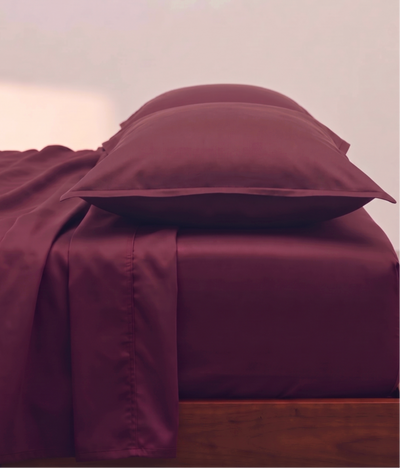
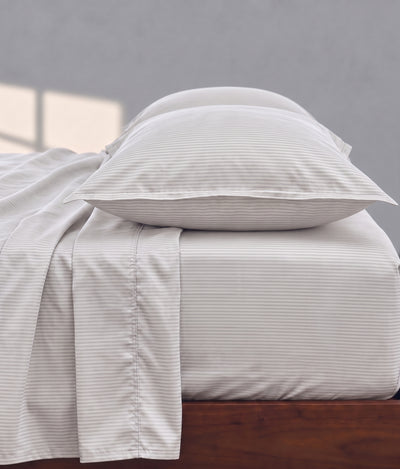
Buffy's Breeze Sheet Set is woven from 100% eucalyptus-derived TENCEL™ lyocell, radically clean by design and OEKO-TEX® STANDARD 100 Class 1 certified, built around exactly this kind of active moisture management.
How They Hold Up Over Time
Silk requires careful handling.
Hand wash in cool water, no bleach, no fabric softener, no high heat. Get any of those wrong once, and the protein fibers weaken or snag.
Lyocell tolerates standard machine washing and tumble drying low, with no loss of cooling performance over hundreds of washes.
What They Cost Over Time
A 22 momme silk sheet set typically runs $300 to $600 and needs replacement faster due to its fragility.
A quality lyocell set costs less upfront and lasts longer, which drops the cost per night of cooled sleep significantly over the years.

Who Should Use Silk Sheets
Silk isn't the wrong fabric for everyone. The honest segmentation comes down to climate, sleep style, and what you want from luxury bedding.
Silk works well if you sleep in cool environments: Cool bedrooms, cool-climate winters, or anyone who doesn't typically wake up warm. Silk's insulating quality works in your favor here.
Silk delivers for tactile-luxury seekers: If the satin-smooth glide is the bedding experience you want and cooling is a secondary concern, silk's first-touch sensation is part of its signature appeal. Pure mulberry silk, made from silkworms fed on mulberry leaves, sets the quality standard for the category.
Silk pillowcases are worth it for hair and skin priority: The reduced friction protects hair cuticles and minimizes facial creasing overnight. For most people, this is the most practical silk purchase.
For hot sleepers, humid-climate sleepers, or anyone managing night sweats, lyocell or linen will sleep better.
Choosing Sheets That Actually Cool All Night
If you've read this far because silk's reputation for hair and skin benefits is what's pulling you in, here's the honest answer: TENCEL™ lyocell delivers that same low-friction, gentle-on-skin surface that’s engineered into the fiber itself, not limited to a single pillowcase.
That's the difference that matters for the rest of the bed too. The layer that actually decides whether you sleep through to morning needs to do more than feel good for the first minute.
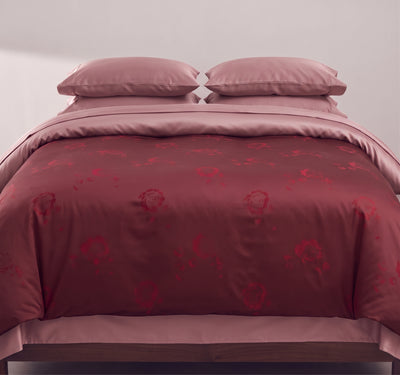
Buffy's cooling bedding collection spans the Breeze sheets, Breeze duvet cover, and Breeze comforter, all woven from the same TENCEL™ lyocell sourced from eucalyptus — so the smoothness, the skin benefits, and the cooling come from one fabric, all night, not just at lights-out.
Frequently Asked Questions (FAQs)
Both, depending on duration. Silk's smooth filaments cool the skin on first contact. After moisture saturates the fiber by hour three for a sweating sleeper, the dense charmeuse weave restricts airflow and traps heat against the body. For hot sleepers, silk runs cool at lights-out and warm by 3 a.m.
Silk is cooler on first touch. Lyocell stays cooler over the full night. Lyocell is engineered for moisture management, with 50% higher moisture uptake than cotton and 2.5× higher vapor flux, which continuously moves heat and humidity away from the body. For sustained temperature regulation, lyocell outperforms silk.
19 to 22 momme silk is the cooling sweet spot. Lighter momme weights breathe more openly and trap less body heat. 22 momme silk balances softness with airflow, which is why most quality silk brands center their sheet sets there. 25 momme and higher trade airflow for substance.
In practice, yes. A silk pillowcase covers a much smaller surface area than full silk sheets, so heat buildup is less of an issue. Silk pillowcases also resist dust mites, reduce friction against hair, and minimize facial creasing. For sleepers who want silk's benefits without the full sheet set, the pillowcase is the practical entry point.
It depends on the cotton type and climate. Cotton percale has a more open weave than silk's charmeuse, so it moves air better in humid climates. Silk has a smoother surface and cools faster on contact. For hot sleepers running truly hot, cotton percale beats silk, and lyocell outperforms both.
Hand wash silk sheets in cool water with a pH-neutral detergent. Skip bleach and fabric softener, which damage the protein fibers. Air dry flat to prevent stretching. Tumble dry low only when necessary, and avoid direct sunlight, which fades silk over time. Pure mulberry silk in particular needs careful handling to maintain its softness and sheen.
