


Breeze Cooling Comforter
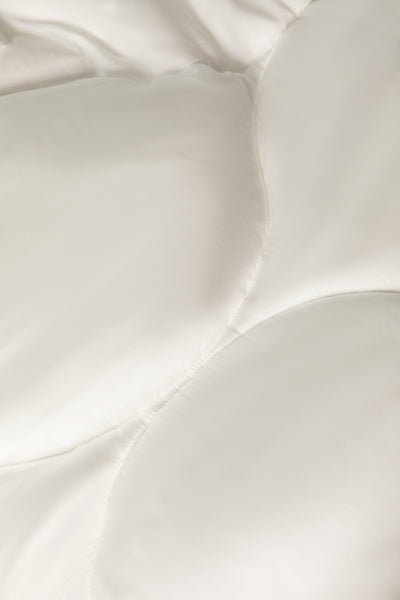
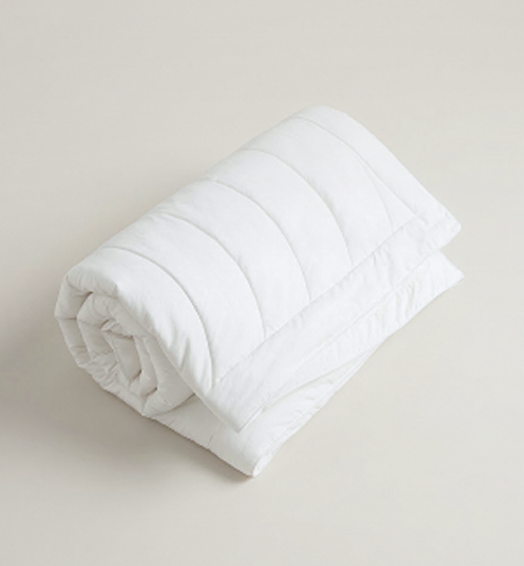
An awarded-winning, cooling comforter insert. Fill spun entirely from eucalyptus—trapping less heat than down or polyester. Architectural Digest's #1 cooling comforter.
Size
Add Breeze Duvet Cover?
Free Shipping + 50 Night Returns
Details
Awards & Recognition
Sizing
Care Instructions
Returns & Trial

"Best Temperature Regulating Comforter"

"Best Cooling Blanket"

"Best Place To Buy Bedding"

"Best Overall Comforter"
4.7

4,879 Reviews
Proof
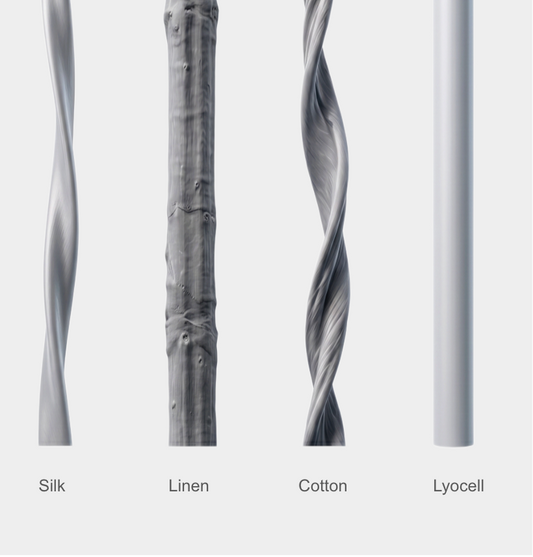
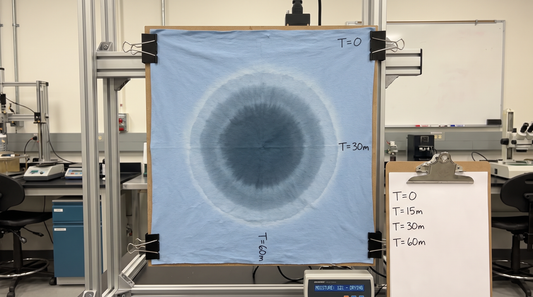
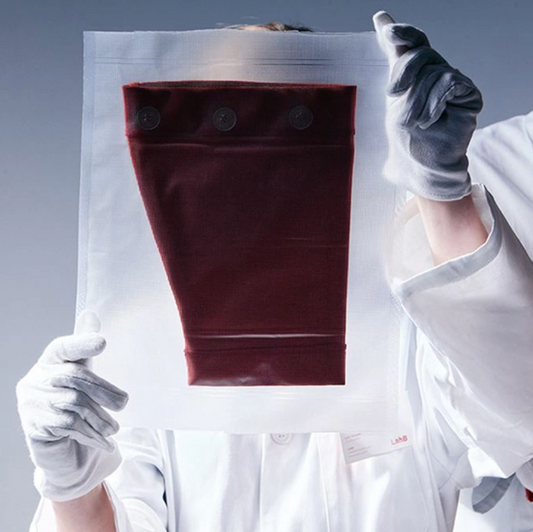
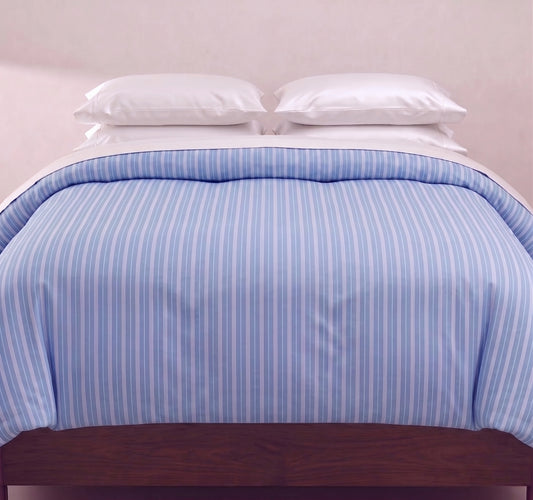
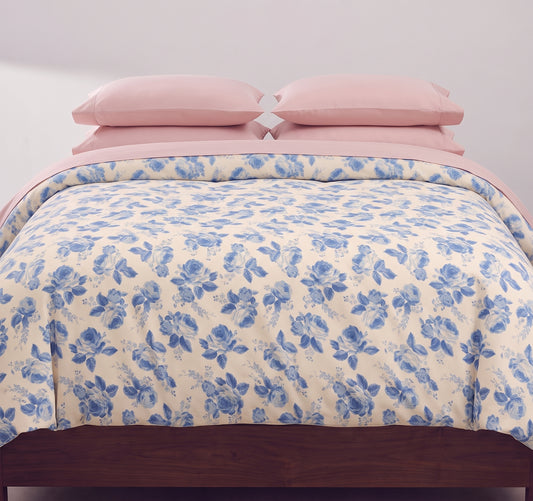
Why Sleepers Switch To Buffy
| Bamboo | Polyester | Other "Cooling" | ||
|---|---|---|---|---|
| Cool-touch shell, lab-tested | Yes | Rare | Rare | Rare |
| Cools without synthetics on skin | Yes | Somewhat | No | No |
| Moisture-Wicking | Yes | Yes | Poor | Maybe |
| Still lofted & warm enough | Yes | Maybe | Rare | Maybe |
| OEKO-TEX® Standard 100 Class I | Yes | Rare | Rare | Rare |
| Durablility testing published | Yes | Rare | Rare | Rare |
Cool-touch shell, lab-tested
Bamboo
Polyester
Other "Cooling"
Yes
Rare
Rare
Rare
Cools without synthetics on skin
Bamboo
Polyester
Other "Cooling"
Yes
Somewhat
No
No
Moisture-Wicking
Bamboo
Polyester
Other "Cooling"
Yes
Yes
Poor
Maybe
Still lofted & warm enough
Bamboo
Polyester
Other "Cooling"
Yes
Maybe
Rare
Maybe
OEKO-TEX® Standard 100 Class I
Bamboo
Polyester
Other "Cooling"
Yes
Rare
Rare
Rare
Durablility testing published
Bamboo
Polyester
Other "Cooling"
Yes
Rare
Rare
Rare
Seven Night Challenge
Pay $0 at checkout
Charged after night seven
50 nights to return it — free
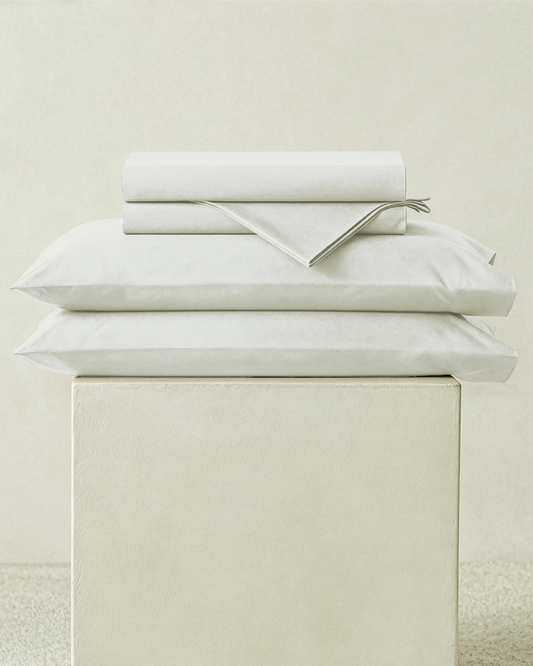
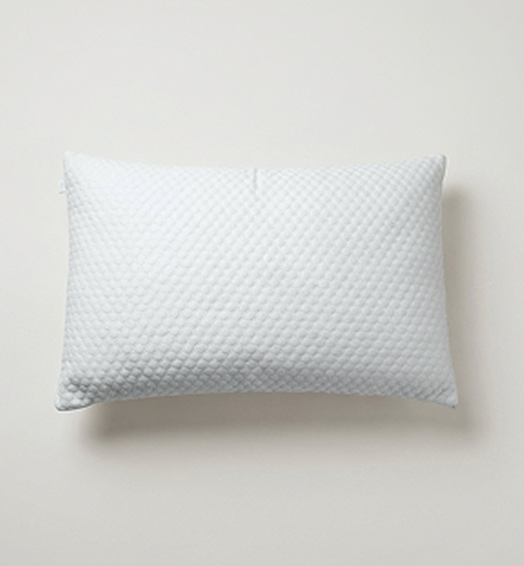

OEKO-TEX® Class I Certified
Most certified bedding is Class II — a standard that permits higher levels of formaldehyde, heavy metals, and pesticide residues — including nearly all organic bedding.
Customers mention cooling, lightweight, softness and quality stitching.
4.7
(7098)
5
4
3
2
1
Popular topics
Clear filters
5
4
3
2
1
Nancy M.
Verified Buyer
2026-03-05
Breezy
Very comfortable and cool. Lovely weight without heaviness
Lucy P.
Verified Buyer
2026-03-01
2nd one I've purchased
Love the weight of this comforter, not too heavy, not too light. Just right for sleeping with a hot sleeper who never uses more than a flat sheet. In winter, just use a thicker duvet cover and good to go.
Hannah J.
Verified Buyer
2026-02-27
Bought 3 times now
I've purchased this breeze comforter 3 times now in different sizes.
Susan L.
Verified Buyer
2026-02-25
Breeze comforter
It is as promised—lightweight, attractive and comfortable. Our dog loves it, too!
Ramona E.
Verified Buyer
2026-02-21
Comfortable and luxurious
We love the cooling technology! It feels great against your skin. The material is very soft and feels luxurious. Great product.
Bo S.
Verified Buyer
2026-02-20
Cover
Amazing, comfortable just the right amount of warmth and weight.
Ryan S.
Verified Buyer
2026-01-29
Tremendous
Soft eucalyptus/ breathes well. Very pleased. Worth it.
Kim K.
Verified Buyer
2026-01-25
Love it
Bought the Cloud. Tried it for a couple weeks. Was too hot. To exchange. They asked me to donate, since they can't resell. Very impressed by this. Donated and got the Breeze. Love it! Warm, but not overly and no sweat. Definitely recommend.
Jerry M.
Verified Buyer
2026-01-17
Breeze comforter
Nice comforter. Really cool even while my heater is on in the winter.
Alex C.
Verified Buyer
2026-01-14
Perfect fit
This comforter feels cool to the touch, but that’s not all! The weight is perfect for hot sleepers and combined with one of the Breeze Duvets it’s even better. I highly recommend this parring, but it’s absolutely amazing as is for all season comfort. Excellent quality and value for your money.
Joanne C.
Verified Buyer
2026-01-10
Breeze Comforter
I have purchased 4 Buffy comforters over the last few years, 2 Cloud and 2 Breeze. They are comfortable and I personally love the Breeze version as I am a hot sleeper.
Pat R.
Verified Buyer
2026-01-02
Christmas gift
I purchased this for a gift & the recipient said”It’s just what I wanted!” No better recommendation!
Jana S.
Verified Buyer
2025-12-26
Great comforter
Bought this for a family member who’s always a hot sleeper. He says it’s the best nights sleep he’s ever had and he’s not over heated!
Georgia W.
Verified Buyer
2025-12-25
Amazingly cool, calming, and well made!
I purchased the Lyocell comforter as my traditional German Duvet became way to hot for me in perimenopause. I wanted something cooling that also had some weight and felt cozy. I noticed an immediate difference the first night. I love the wave pattern stichingand that it's sleek without feeling slippery. I plan to put a duvet cover on top but it's great as is also.
Morgan W.
Verified Buyer
2025-12-23
Boyfriend loves
Boyfriend and I LOOVE the new comforter. My Buffy comforter before I have had for about 3 years now and I just moved it to the second bedroom and got a new one for the main room and we love it.