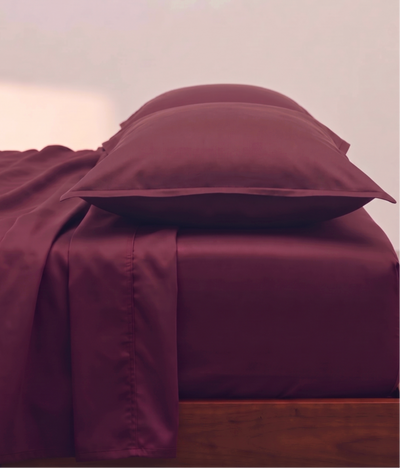
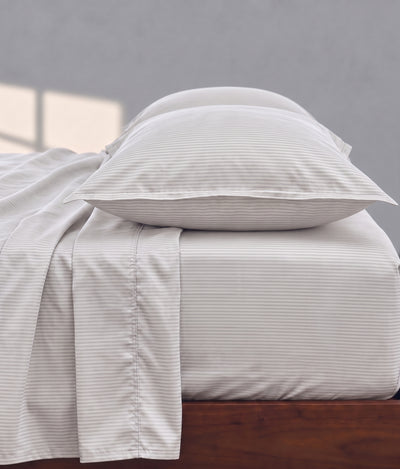
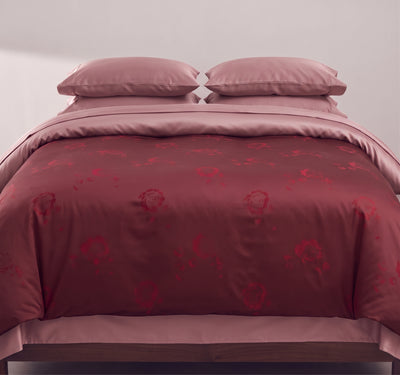
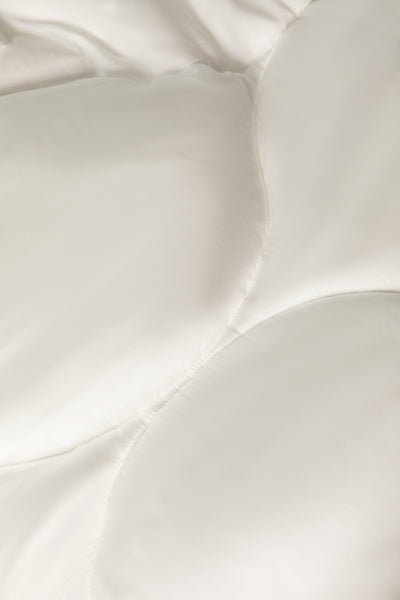
Lab-Tested Cooling Bedding
In Intertek testing under FTTS-FA-019, finished Breeze fabric achieved a Qmax of 0.405 W/cm². Higher Qmax indicates faster initial heat transfer from skin to fabric under the test setup. Our Breeze eucalyptus fabric has also been shown to absorb moisture 67% faster than conventional fabric in published textiles research.

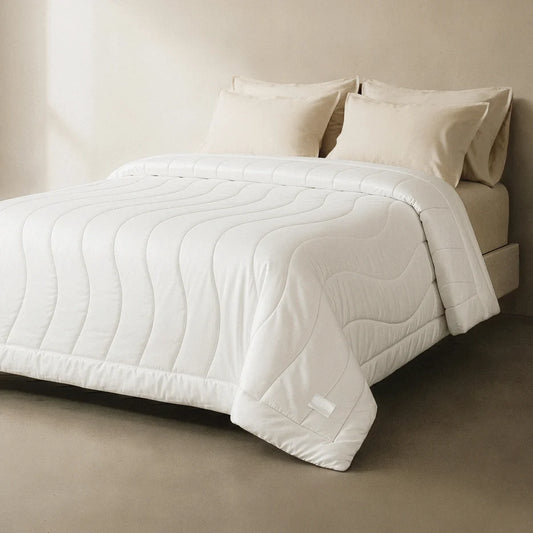
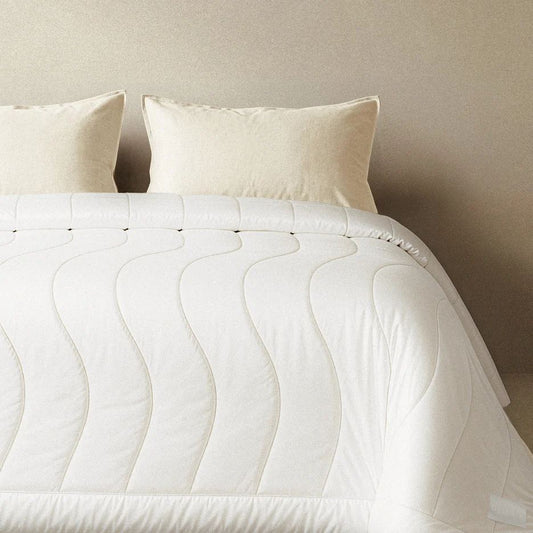
Breeze Cooling Comforter
-
From
$250$200
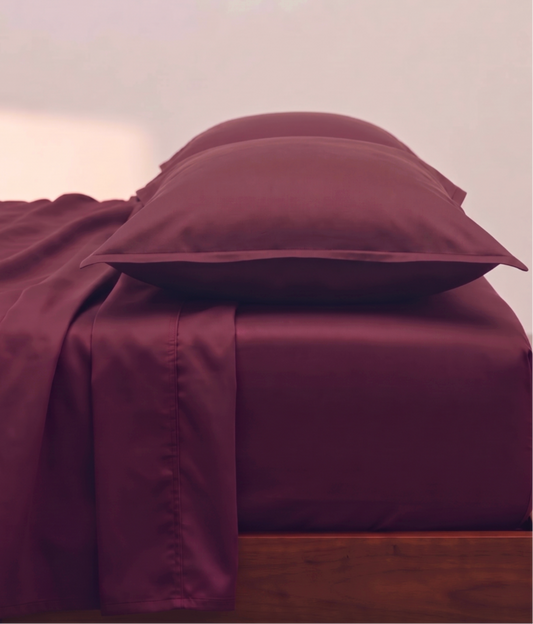
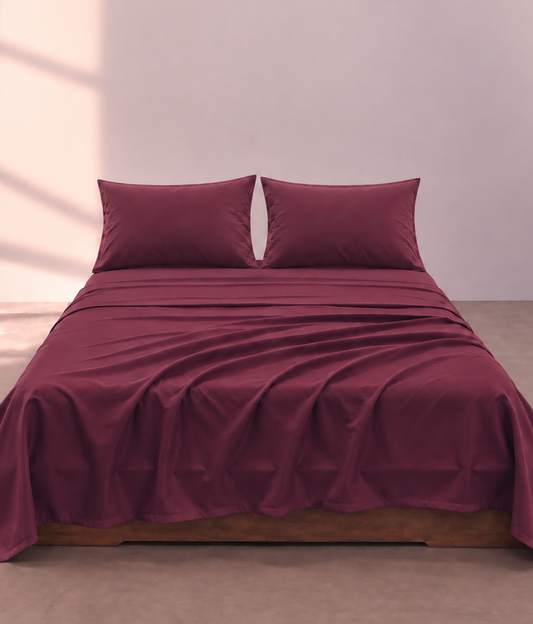
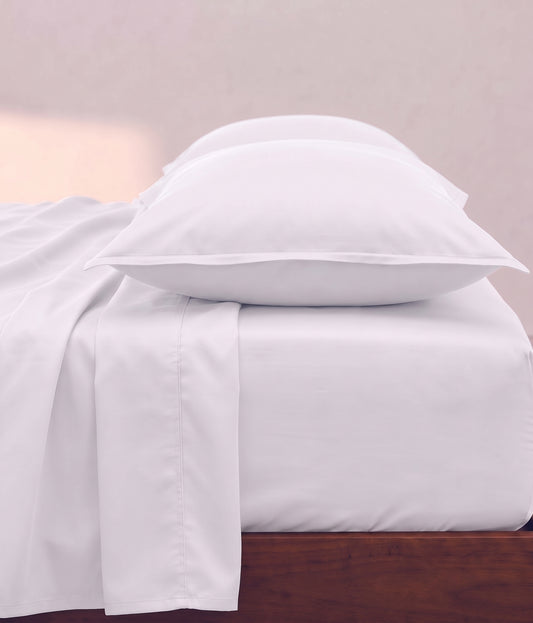
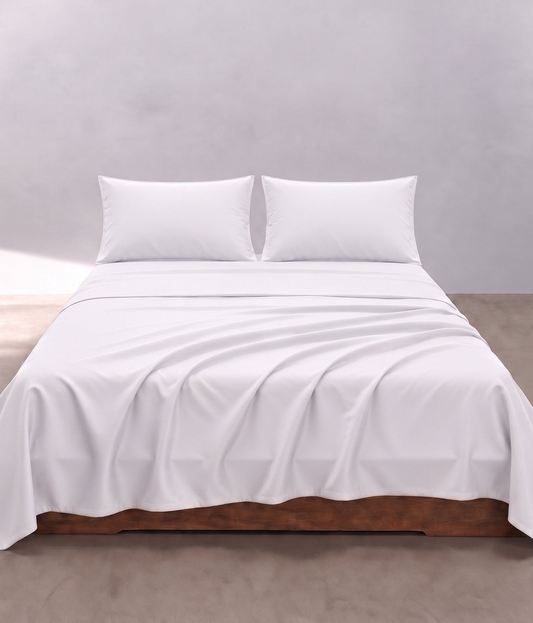
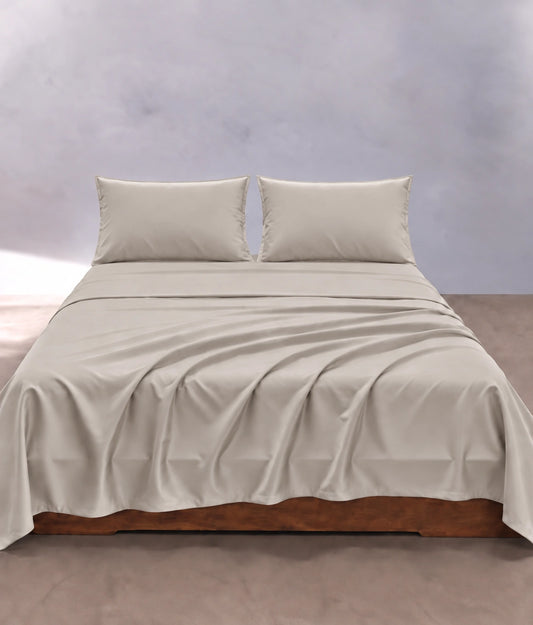
Breeze Sheet Set
-
From
$219$175.20
40 colors
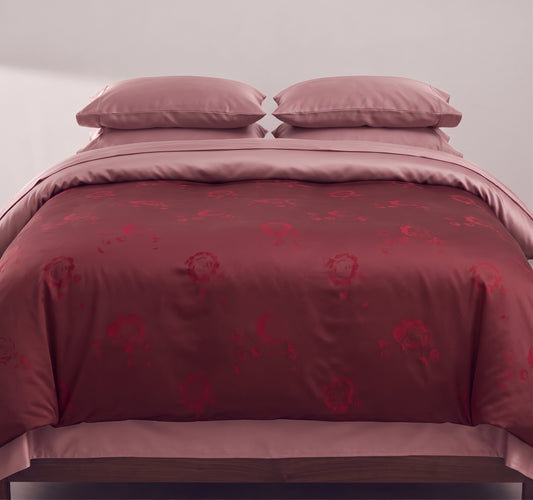
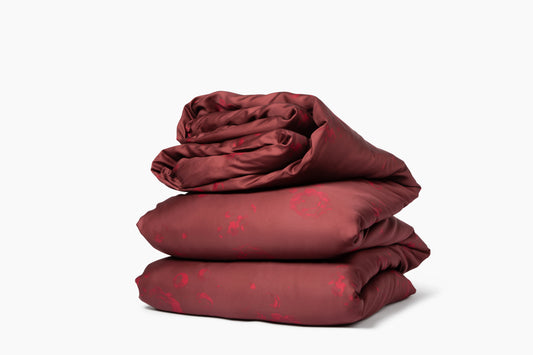
Breeze Duvet Cover
-
From
$199$159.20
54 colors
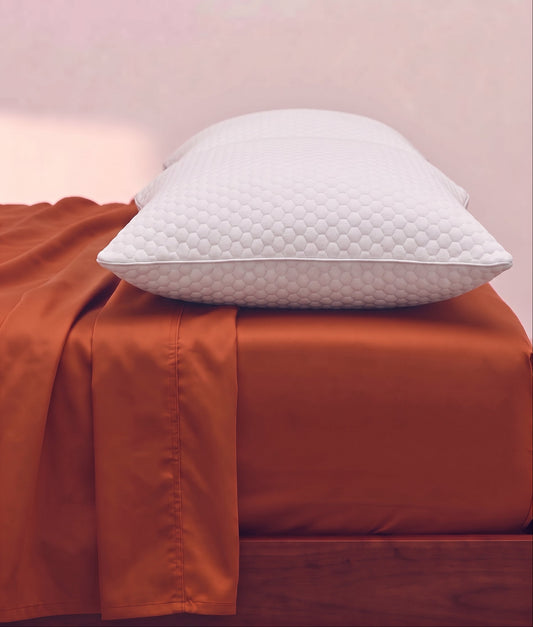
Adjustable Cloud Cooling Pillow
-
From
$59$47.20
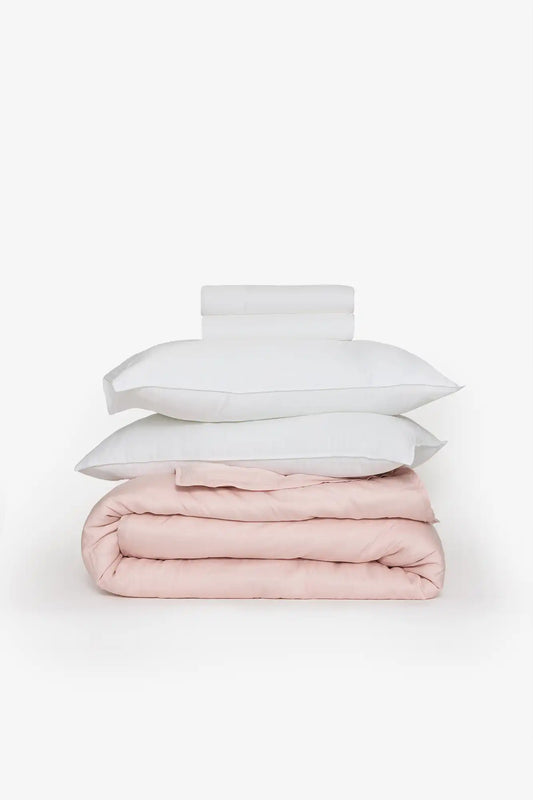
Advanced Cooling System
-
From
$766$574.50
Breeze Pillowcases
-
From
$55$44
17 colors
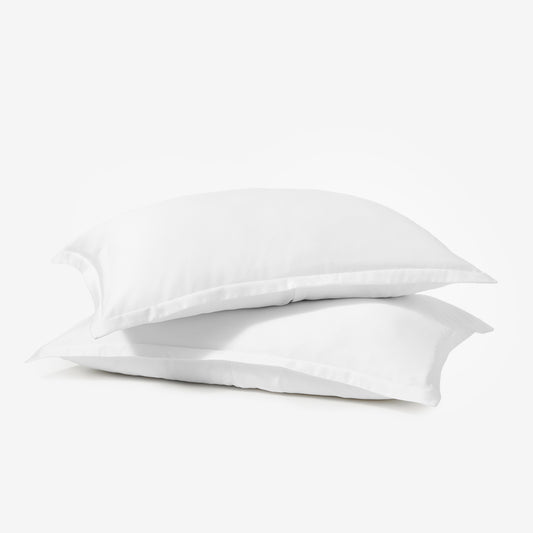
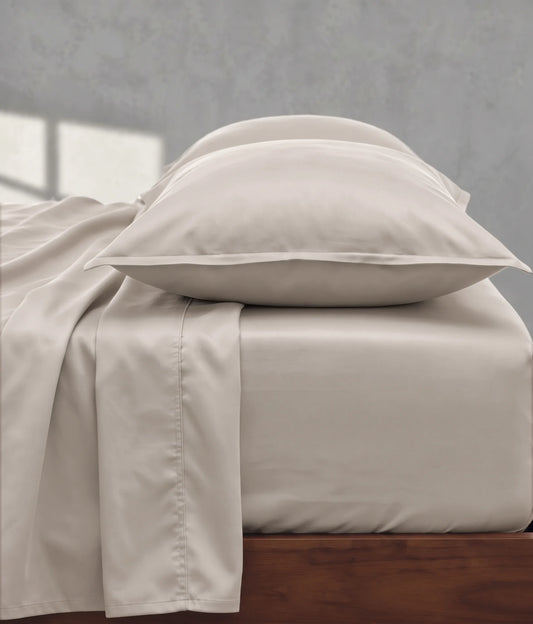
Breeze Shams
-
From
$65$52
15 colors
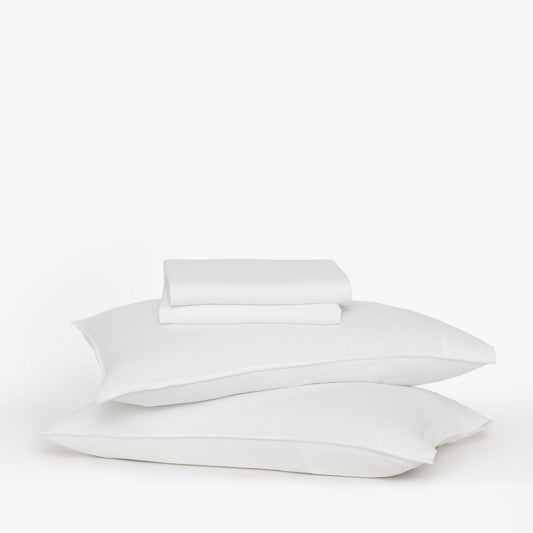
Breeze Fitted Sheet
-
From
$90$72
10 colors



"Best Place To Buy Bedding"

"Best Overall Cooling Sheets"

"Fluffiest Comforter"

"Best Overall Comforter"

"Best Gift For Expecting Moms"

"Best Temperature Regulating Comforter"

"Best Cooling Blanket"

"Best Bedsheets"
Frequently Asked Questions About Cooling Bedding
The best choice depends on preferred feel, layering, care and product fit. Compare Breeze, linen and cotton percale based on those preferences. Bedding can affect comfort, but it does not prevent, treat, relieve or reduce night sweats or hot flashes.
Cooling bedding can influence comfort through factors such as first-touch feel, insulation, layering and adjustability. In Intertek testing under FTTS-FA-019, finished Breeze fabric achieved a Qmax of 0.405 W/cm². Higher Qmax indicates faster initial heat transfer from skin to fabric under the test setup. This supports initial cool-to-the-touch language for the tested Breeze fabric; it does not establish all-night cooling or a symptom outcome.
Breeze uses TENCEL™ lyocell rather than a phase-change-material coating. Different materials can influence first-touch feel, insulation and moisture interaction; any performance or durability claim must be tied to the exact product and test method.
For people who sleep hot or experience night sweats, bedding can be chosen for comfort factors such as first-touch feel, moisture interaction, insulation, layering and adjustability. Bedding does not prevent, treat, relieve or reduce night sweats or hot flashes.
Esquire named the Buffy Breeze Sheet Set “Best Eco-Friendly Cooling Bed Sheets” in its 2023 hot-sleeper sheet guide.
To keep your cooling bedding performing at its best, machine wash cold and tumble dry on low. Avoid bleach and fabric softeners, which coat the fibers and diminish breathability and moisture management. Wash separately from heavy items like towels to protect the delicate weave, and remove items promptly from the dryer to minimize wrinkles.
Follow the care instructions for each product to protect fabric quality. Cooling performance over repeated washing has not been established for the products in this collection.
Buffy cooling bedding comes in standard bed sizes from Twin to California King. Sheet sets and flat sheets are available across the full range, while fitted sheets run from Full to California King. Pillowcases and shams come in standard and king sizes, and duvet covers come in Twin/Twin XL, Full/Queen, and King/California King combinations.
Yes. Buffy cooling sheets are OEKO-TEX® STANDARD 100 Class I certified, the strictest tier, tested against more than 1,000 harmful substances. The TENCEL™ lyocell fiber is pH-balanced to 4.0–7.5, within the skin's natural protective barrier range, and woven with no catching fibers or synthetic finishes that can irritate sensitive skin.


Cooling From the Fiber Up
Many performance-cooling sheets rely on synthetic nylon and spandex. Our cooling fabric is woven from 100% TENCEL™ Lyocell, a cellulosic fiber derived from responsibly sourced wood—and still achieved a lab-tested Qmax of 0.405 W/cm².
Independent Testing:
In Intertek testing under FTTS-FA-019, finished Breeze fabric achieved a Qmax of 0.405 W/cm². Higher Qmax indicates faster initial heat transfer from skin to fabric under the test setup. This supports initial cool-to-the-touch language for the tested Breeze fabric; it does not establish all-night cooling or a symptom outcome.
Moisture management: In peer-reviewed fiber testing at 20°C and 60% relative humidity, lyocell measured 9.23% equilibrium moisture regain versus 5.54% for cotton—approximately 67% higher. This was a controlled fiber test, not a measurement of finished-sheet temperature.
Durability: Hohenstein testing using ASTM methods observed first thread breakage at 18,000 abrasion rubs under ASTM D4966-22, a 4.0–5.0 pilling-resistance rating after 60 minutes under ASTM D3512, and tear strength of 10.4 lbf warp and 6.4 lbf weft under ASTM D1424.
Finished-textile testing: Certified to OEKO-TEX® STANDARD 100 Product Class I—the standard’s strictest product class, designed for textiles used by babies and children up to age three.